
Why and How to Repoint
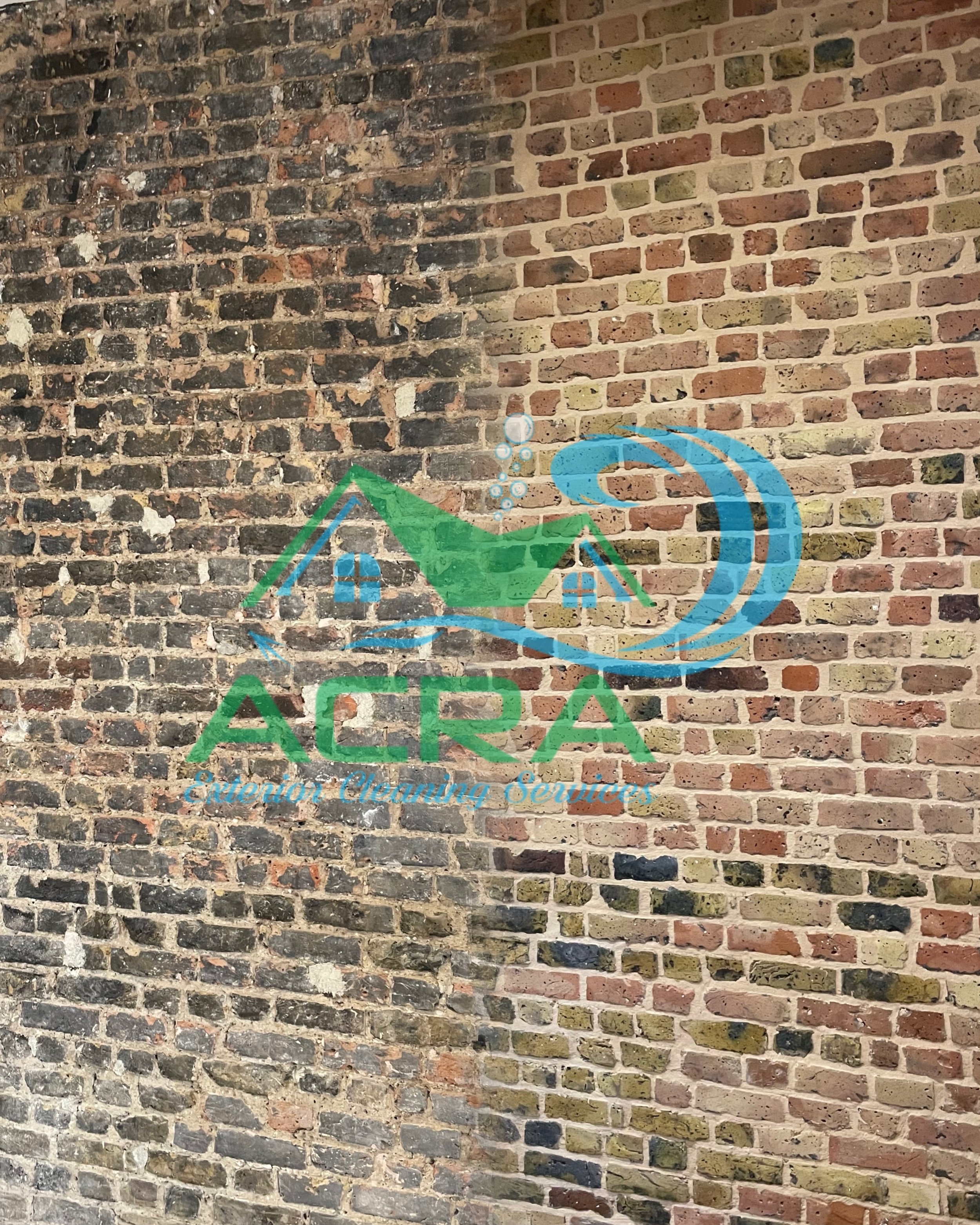
Repointing is essential to preserve the structural integrity and appearance of brickwork by replacing deteriorated mortar joints to stop water ingress, freeze-thaw damage, and mortar erosion; common reasons to repoint include preventing leaks, reducing efflorescence, avoiding loose or crumbling bricks, and restoring historic masonry. The repointing process begins with a careful assessment and sounding to identify failed joints, followed by removing old mortar to a suitable depth using hand tools, grinders, or micro-abrasive methods to avoid brick damage, then cleaning the joints of dust and debris. Select a compatible mortar mix—matching color, compressive strength, and vapor permeability (lime mortar for historic buildings, cement-lime or polymer-modified mortars for modern work)—and pre-wet the wall to prevent rapid drying; apply mortar in layers, compacting and tooling each layer to achieve full bond and the desired joint profile, finish with appropriate curing (mist-spraying or damp burlap where needed) to minimize cracking, and finally clean any mortar smears from brick faces. Proper repointing preserves masonry longevity, improves thermal and moisture performance, and maintains aesthetic continuity when keywords such as brick repointing, mortar repair, historic masonry restoration, lime mortar, cement-lime mortar, tuckpointing, joint raking, mortar matching, brick pointing, structural pointing, mortar removal, weatherproofing, efflorescence prevention, and masonry conservation are correctly addressed.
Types of pointing style There are several common pointing styles—flush, recessed (or raked), tuck, weathered, struck, and bucket handle—each requiring a different finishing technique: flush pointing is finished even with the face of the brick using a wooden or metal float after the mortar has slightly set, creating a smooth, compact joint; recessed (raked) pointing is formed by removing mortar to a uniform depth with a pointing tool or a joint raker, producing a shadowed groove that emphasizes the brick face; tuckpointing involves packing a mortar match to the brick color into the joint, then tooling a thin, contrasting fillet of lime or white putty into the center to mimic very fine joints, requiring steady hands and a small tuckpointing trowel; weathered pointing is struck so the joint slopes slightly downward from top to bottom to shed water, achieved by running a flat or half-round jointer along the joint at an angle after initial set; struck pointing angles the joint upward from top to bottom and is formed by pointing with an angled jointer to create a drip-friendly profile (used less often because it can trap water); and bucket-handle pointing produces a convex, rounded bead by drawing a convex jointer or rounded rod along the joint surface while the mortar is pliable, which provides a durable, water-resistant finish.
Bad pointing can be identified by several clear signs: crumbling, loose, or powdered mortar that falls out when touched; visible cracks or gaps between bricks allowing water and pests to enter; deep recesses where mortar has eroded and bricks sit proud or offset; mismatched or sloppy repairs with mortar that differs in color, texture, or profile from the original; damp patches, rising damp stains, or efflorescence (white salt deposits) on walls indicating moisture penetration; and spalled or cracked bricks adjacent to poor joints. Run your finger along suspect joints, look for uneven or recessed tooling lines, and inspect after rain—if water soaks in rather than beading off, the pointing likely needs repointing.
The importance of reopening your property after brick cleaning and brick restoration
Reopening your property after professional brick cleaning, brick restoration, paint removal, sandblasting, or brick repointing is a critical step that protects your investment, preserves structural integrity, and ensures safety for occupants and visitors. At ACRA Exterior Cleaning Services, we understand that reopening is more than unlocking doors — it’s a planned, safety-first process that maximizes the benefits of brick restoration and related services.
Why reopening matters
Safety and compliance: Proper reopening follows completion of brick pointing, brick cleaning, and sandblasting, ensuring scaffolding has been dismantled, dust and debris removed, and all work meets building regulations. This reduces slip-and-fall hazards and minimizes respiratory risks from residual dust or paint removal particulates.
Structural protection: After brick restoration and repointing, masonry must cure and be inspected. Premature reopening can expose fresh mortar and restored brickwork to moisture and mechanical stress, compromising bond strength and longevity.
Aesthetic results preserved: Reopening at the right time preserves the appearance achieved through paint removal, softwash brick cleaning, or abrasive cleaning methods. Allowing appropriate drying and inspection prevents stains, efflorescence, or premature weathering.
Health and environmental care: Following paint removal — especially when lead-based paint may be present — careful containment, cleanup, and verification are essential before re-entry. Proper reopening minimizes airborne contaminants and protects indoor air quality.
Insurance and warranties: Many brick restoration and sandblasting services include workmanship warranties or insurance stipulations that require documented completion steps and safe reopening procedures. Adhering to those steps preserves your coverage and warranty rights.
Operational continuity: Coordinated reopening schedules reduce downtime for businesses and occupants, enabling a smooth transition back to normal use after brick cleaning, paint stripping, or pointing works.
How ACRA Exterior Cleaning Services handles reopening
Post-work inspection: We perform detailed inspections after brick restoration, brick cleaning, sandblasting, and paint removal to ensure all tasks meet our high standards.
Controlled demolition of access equipment: Scaffolding and protective sheeting are removed systematically to avoid damage to restored brickwork and surrounding areas.
Thorough cleanup and waste removal: We remove all debris, capture and dispose of paint and mortar waste responsibly, and leave the site clean for safe re-occupancy.
Moisture and cure checks: We verify mortar curing and brick dryness, advising on any necessary wait times before reopening entrances, stairways, or occupied spaces.
Safety sign-off and documentation: We provide written confirmation that work is complete and safe, including recommendations for any follow-up care like periodic brick cleaning, repointing maintenance, or protective sealing.
Keywords we prioritize for reopening communications
Brick cleaning, brick restoration, paint removal, sandblasting, brick pointing, brick repointing, masonry repair, mortar curing, façade cleaning, lead paint removal, softwash brick cleaning, abrasive cleaning, structural inspection, scaffolding removal, site cleanup, warranty compliance, dust containment, environmental disposal, safety sign-off.
Reopen with confidence
Proper reopening safeguards the results of professional brick cleaning and restoration while protecting occupants, preserving warranties, and maintaining aesthetics and structural integrity. Contact ACRA Exterior Cleaning Services for expert brick restoration, brick cleaning, paint removal, sandblasting, and brick pointing — and a careful, documented reopening process that ensures your property is safe and ready for use.